What soft washing is designed to do
Soft washing generally uses a compatible cleaning solution, controlled dwell time, and a lower-pressure rinse selected for the tested surface. It can be useful for organic growth and atmospheric soil on compatible stucco, painted concrete, masonry, and other building components when the chemistry, concentration, contact time, runoff controls, and rinse are managed correctly. In Sarasota, that may mean addressing mildew on a shaded wall, algae at a covered walkway, pollen on a canopy, or general film on an office elevation without relying on force alone.
Soft washing is not automatically gentle simply because the pressure is lower. Chemistry can affect plants, metals, coatings, seals, people, and water-management requirements. A professional scope should identify the material, test area, protection plan, dwell expectations, rinse approach, and stop conditions. It also should explain what the method will not correct: failed sealants, cracked stucco, spalled concrete, corrosion, oxidation, mineral scale, leaks, and damaged coatings need a separate decision.
When pressure washing can be appropriate
Pressure washing can be appropriate for durable, compatible surfaces and specific conditions where controlled mechanical action is useful. Concrete service drives, certain loading areas, curbs, and robust hardscape may tolerate a different approach than painted stucco or EIFS. Even on durable surfaces, pressure is only one variable. Tip selection, distance, angle, flow, temperature, detergent, runoff, edge protection, and operator control determine the risk and result. A high-pressure pass that removes soil can also etch concrete, damage joints, force water into openings, or create a visible pattern.
Sarasota commercial properties often place these surfaces next to more delicate ones. A shopping center may have concrete sidewalks beside storefront glass and painted columns. A hotel may have a durable driveway next to pool equipment, landscaping, guest rooms, and delicate railings. A medical office may have a concrete entrance beside doors, sensors, and air intakes. A quote should divide the property into surface zones instead of applying one pressure label to the whole building.
Use a material-first decision for stucco, EIFS, glass, and metal
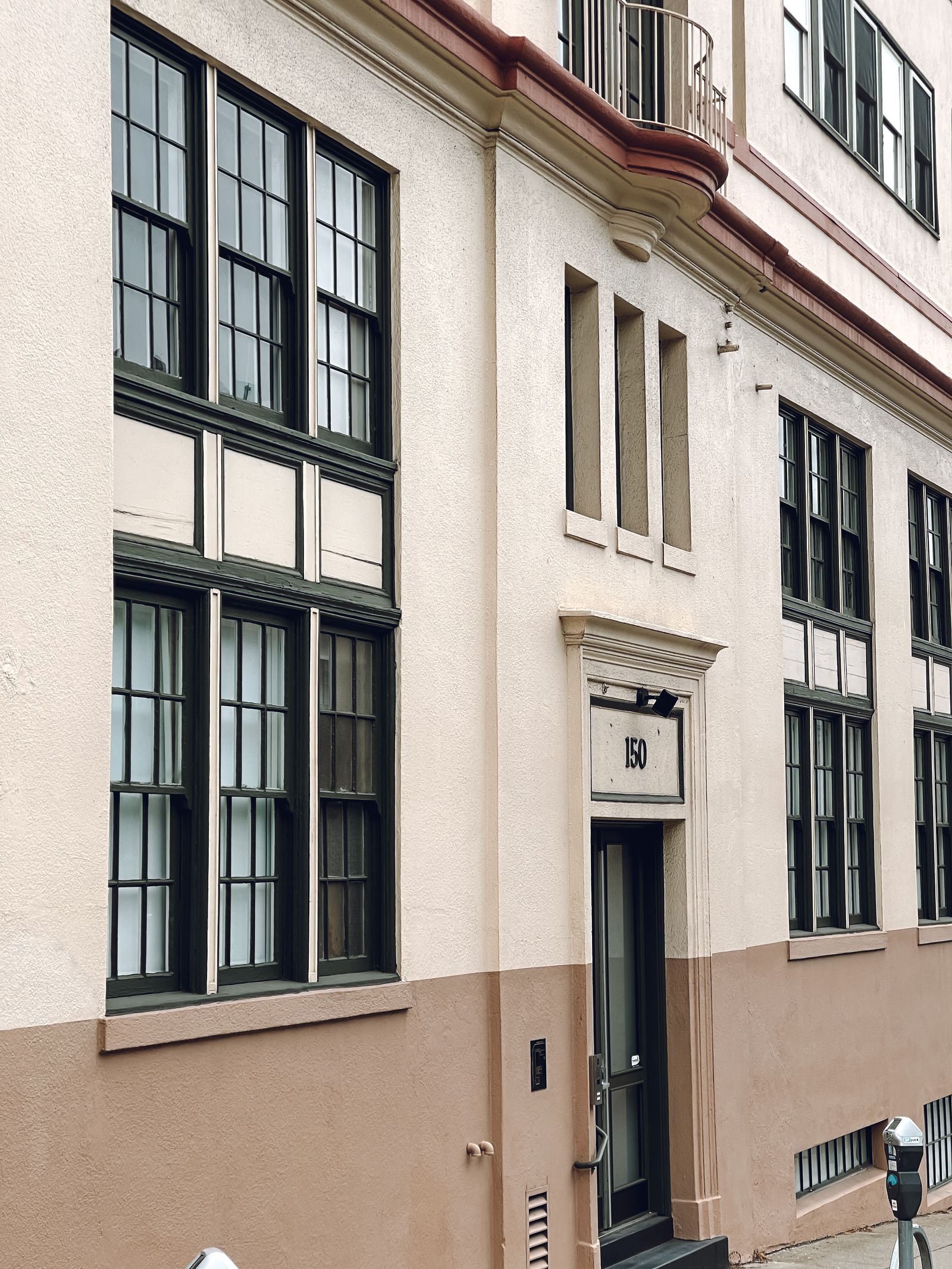
Sarasota stucco and painted concrete can show algae, mildew, salt, pollen, and rain streaks while also containing vulnerable joints, repairs, penetrations, and coatings. EIFS and insulated wall systems require particular attention to water intrusion and surface condition. Brick and precast may respond differently than painted surfaces. Glass, window frames, balcony rails, metal panels, awnings, and signs often need their own method and rinse controls. The visible stain does not reveal the safe pressure or chemistry by itself.
A useful pre-work review records substrate, coating condition, joints, cracks, windows, doors, air intakes, electrical fixtures, balconies, vegetation, adjacent property, and any previous cleaning damage. A test patch can compare appearance and surface response. If the owner needs a uniform finish, the scope should address shadow lines, old repairs, oxidation, mineral deposits, and areas that will not match through routine washing. The aim is a documented method, not a dramatic setting on a machine.
Sarasota salt, humidity, rain, and irrigation change the plan
Coastal salt can settle on exposed walls, railings, windowsills, signage, and metal trim. Humidity and shade can support organic growth; rain can redistribute soil down a facade; irrigation overspray can leave mineral marks; and seasonal pollen can make a recently cleaned building appear dusty again. These conditions can overlap, so a dark band may require testing before anyone decides whether it is algae, road film, oxidation, or a deposit that needs specialty treatment. A routine interval should be based on exposure, orientation, landscaping, traffic, and the owner's appearance standard.
Storms also affect scheduling and safety. Lightning, wind, heavy rain, saturated soil, standing water, and changing pedestrian conditions can make a planned rinse unsafe or ineffective. Sarasota's coastal and barrier-island properties may need additional attention to gusts, public separation, sand, and water routes. Work should pause when weather or site conditions exceed the agreed limits, and the closeout should note whether a storm changed the sequence or result.
Compare access, aerial assistance, and occupied-site controls
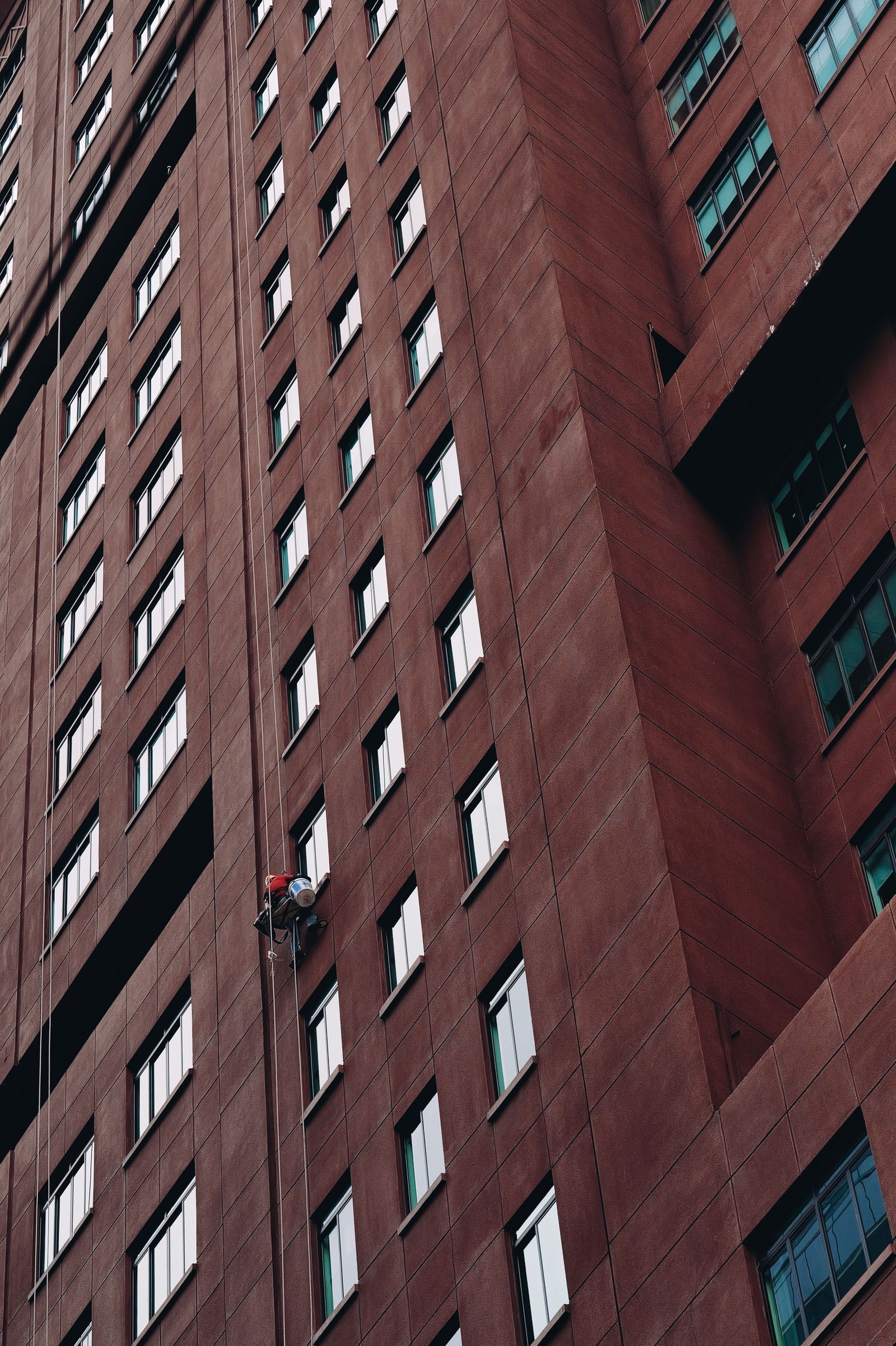
The best method also depends on how the facade can be reached. Aerial assistance may support selected upper wall fields when wind, line of sight, airspace, stand-off distance, launch space, and public controls are workable. It is not suitable for every balcony, canopy, sign, tree-lined elevation, or narrow downtown frontage. Ground methods may be better for entries, window frames, detailed trim, and constrained areas. Lifts, water-fed poles, hand work, or a hybrid sequence can be part of a responsible plan.
Hotels, HOAs, retail centers, medical facilities, and offices need a work plan that accounts for guests, residents, tenants, patients, deliveries, accessible paths, valet lanes, pool areas, fire lanes, security, landscaping, and drainage. The scope should identify barriers, hose routing, wet-pavement controls, water source, runoff approach, emergency stop procedures, and the person who can pause work. FAA requirements and address-specific airspace considerations apply to commercial drone operations.
How to request a method-specific Sarasota quote
When requesting a quote, provide the address, photos from each elevation, approximate height, substrate and coating information, visible soil, priority areas, access restrictions, water availability, drainage concerns, and preferred work windows. Include whether the property is a hotel, condominium or HOA, retail center, medical office, professional building, restaurant, or industrial site. Mention upcoming events, guest or patient traffic, landscaping sensitivities, and prior cleaning issues. Those details help separate routine soft washing from hardscape pressure washing, glass detailing, mineral treatment, repairs, or a hybrid plan.
The proposal should state the intended finish, tested surfaces, method by zone, included features, exclusions, weather limits, public controls, water-management approach, and closeout record. For a Sarasota building, that level of detail is more useful than a generic promise that one method is always best. Call +1 239-351-2897, email contact@dronebuildingcleaners.com, or use the quote form to get in touch about the property.