Inspect Sarasota materials before choosing a cleaning method
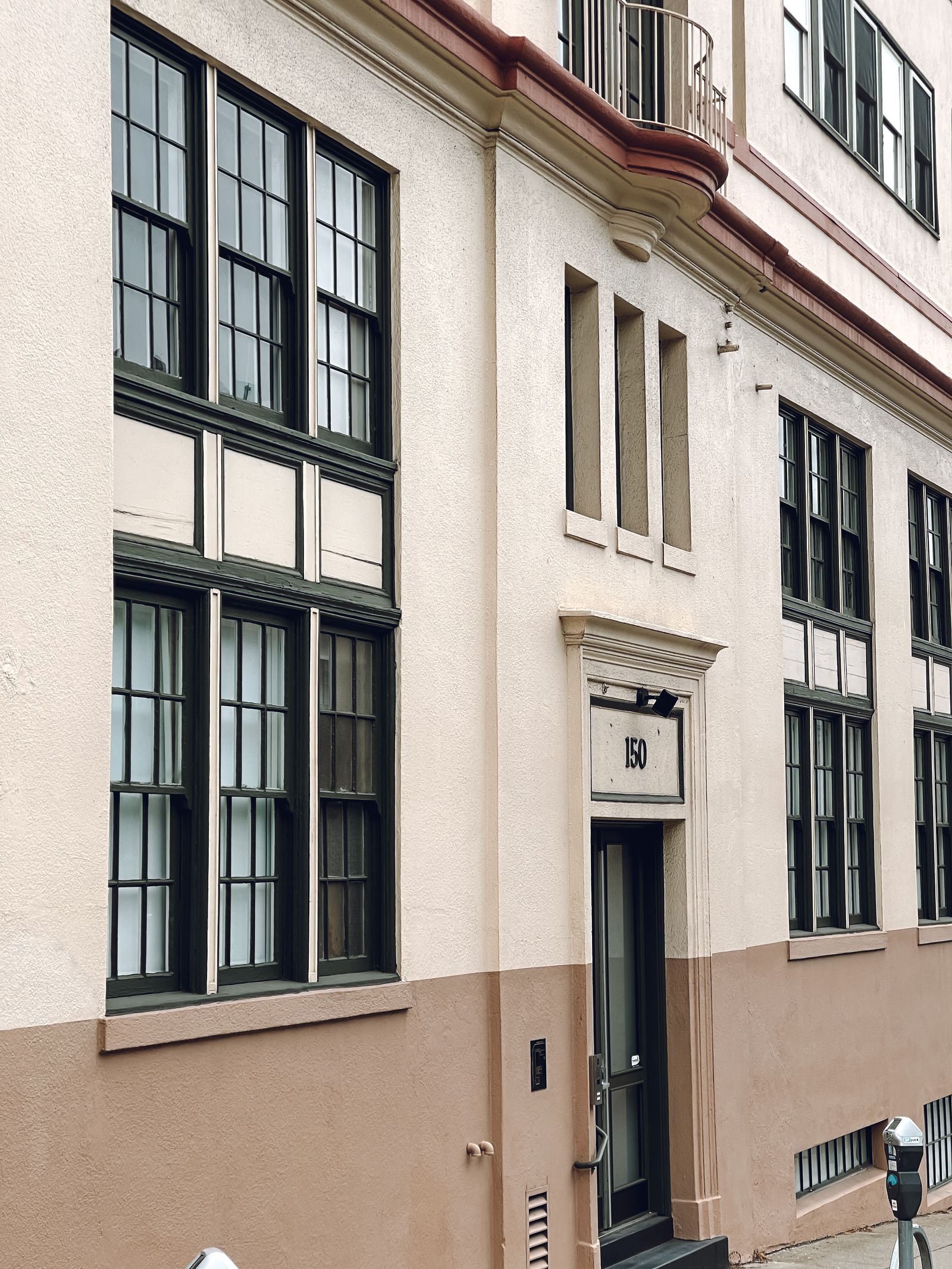
Sarasota commercial exteriors often combine stucco, painted concrete, EIFS, brick, precast, metal panels, glass, tile, canopies, balconies, and decorative trim. A downtown storefront may need careful work around signs and pedestrians, while a Gulf-side hotel may have salt film, balcony edges, pool areas, and guest routes close to the facade. A newer office or mixed-use property in Lakewood Ranch may use multiple coatings and panel types on the same elevation. The first step is to map those materials and identify whether the visible condition is algae, mildew, pollen, salt, road film, irrigation residue, mineral scale, oxidation, bird residue, or coating failure.
Soft washing may suit compatible organic growth and general atmospheric soil after a test area confirms the surface response. It does not repair cracked stucco, failed sealant, spalled concrete, corrosion, leaks, coating failure, or moisture behind a wall. A proposal should state the intended result, tested materials, included features, exclusions, and conditions that need a repair, restoration, glass, or specialty-treatment referral. That clarity helps a property manager distinguish a maintenance wash from restoration work and prevents a dramatic-looking mark from being treated as a simple cleaning problem.
- Separate stucco, EIFS, concrete, brick, glass, metal, tile, and painted surfaces.
- Identify salt film, organic growth, pollen, irrigation marks, road soil, and damage.
- Define whether the goal is routine maintenance, a pre-opening reset, or a detailed appearance project.
- Keep leaks, failed coatings, cracks, corrosion, and structural repairs outside routine washing.
Keep hotels, retail, HOAs, and medical properties operating
Sarasota buildings frequently remain active during cleaning. Hotels along Gulfstream Avenue, U.S. 41, and the barrier-island routes may have guest arrivals, valet lanes, balconies, breakfast service, pool decks, and loading activity. Retail centers near University Parkway and UTC may need storefronts visible, accessible routes open, and deliveries coordinated. HOA and condominium communities in Palmer Ranch, Lakewood Ranch, Longboat Key, and Siesta Key may add residents, amenity reservations, private roads, pool furniture, garages, and board-approved work windows. Medical and professional offices need attention to patients, staff, parking, entrances, and air intakes.
Before scheduling, we ask about guest check-in, outdoor dining, tenant hours, patient routes, school or event traffic, delivery windows, security rules, fire lanes, accessible paths, and the person authorized to pause work. A phased sequence can keep a main entrance or valet lane available while secondary elevations are cleaned. The plan should explain barriers, signs, hose routing, wet-pavement controls, equipment staging, communication, and handback expectations. The result is not simply a clean wall; it is a work window that fits the property's daily operation.
Plan for salt, humidity, rain, and Sarasota shade
Coastal air can leave salt and fine atmospheric residue on windowsills, metal trim, railings, signs, balconies, and exposed wall faces. Warm humidity and rainfall can support algae and mildew on shaded elevations, covered walkways, north-facing walls, roof edges, and areas behind landscaping. Irrigation overspray can create mineral deposits that do not respond like organic soil. A clean property can also show new film after a wet season, a tropical system, or high-traffic weeks. A recurring schedule should follow exposure and the owner's appearance standard rather than promising an identical interval on every elevation.
Sarasota weather can change quickly. Thunderstorms, lightning, gusts, heavy rain, standing water, and saturated landscaping can affect dwell time, overspray control, drone feasibility, sidewalk traction, and drainage. Work should pause when wind, lightning, precipitation, visibility, or public conditions no longer support the plan. A weather-aware schedule divides a large property into manageable zones, allows time for inspection, and records whether rain changed the result or required a return visit.
Use aerial support selectively and keep ground access controlled
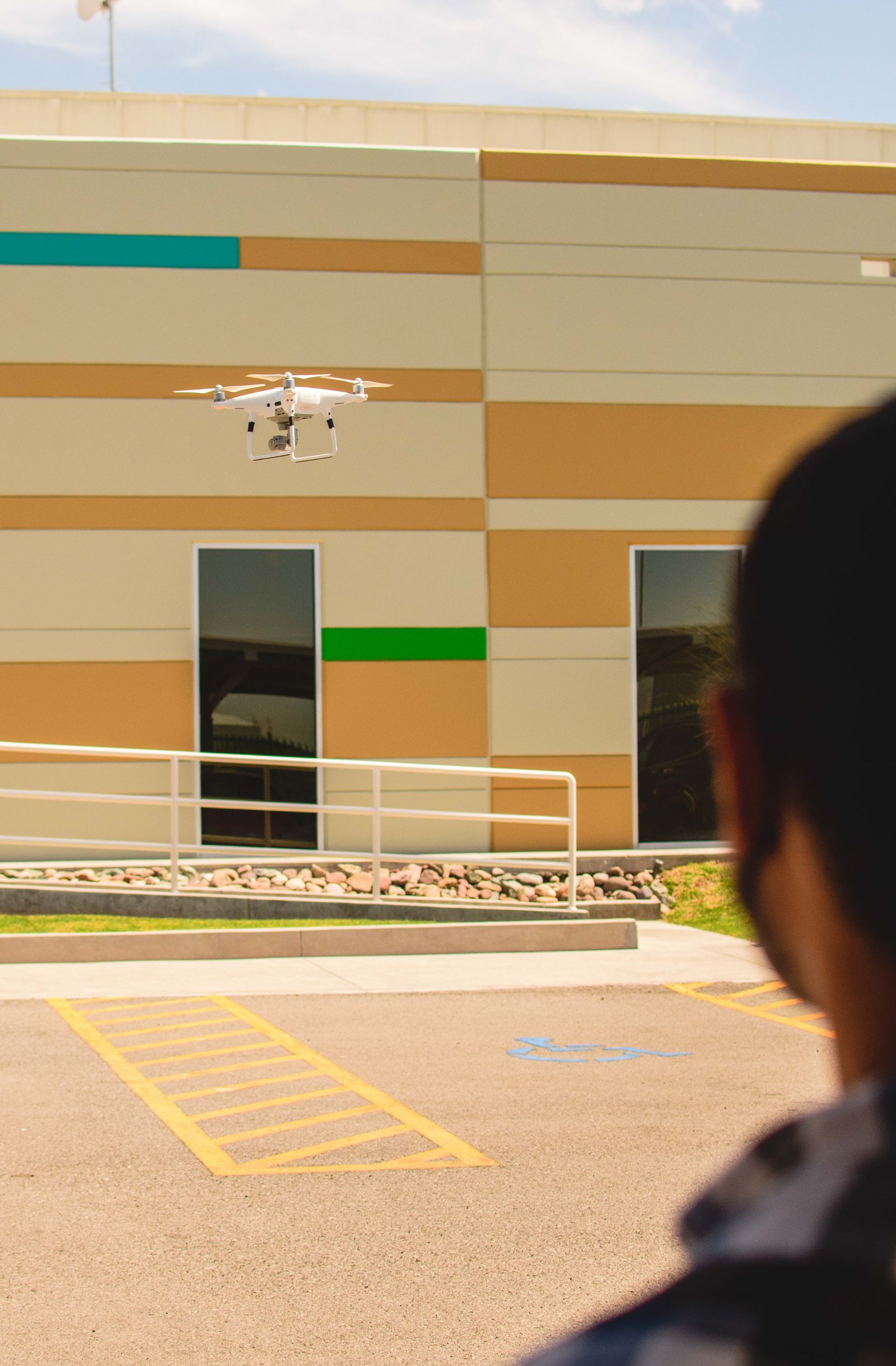
Drone-assisted application or rinsing may support broad upper elevations when wind, stand-off distance, line of sight, airspace, launch and recovery space, water access, and ground controls are workable. It is not a promise that every Sarasota facade can be cleaned from the air. Palm trees, power lines, balconies, narrow sidewalks, rooftop equipment, neighboring buildings, beach crowds, and active resort areas can make one elevation feasible and another unsuitable. Entrances, glass frames, ledges, canopies, bonded deposits, and detailed trim may still require a lift, water-fed pole, hand work, or a different contact method.
The operating plan should identify proposed elevations, a spotter or ground-control arrangement, public separation, communications, emergency stop procedures, and the conditions that trigger a reschedule or alternate method. Commercial operators must follow applicable Federal Aviation Administration requirements and address-specific authorizations. A hybrid scope can be practical: aerial assistance on compatible upper wall fields, controlled contact work around entrances and details, and specialty treatment for hard-water residue, oxidation, construction film, or other deposits that ordinary washing will not remove.
Protect landscaping, stormwater routes, and coastal properties
Sarasota sites may have palms, mature oaks, planted courtyards, pool landscaping, turf, retention areas, sloped drives, curb inlets, beach sand, and low points close to the building. Rinse water and removed soil can move from an upper elevation onto a sidewalk, planting bed, pool deck, garage ramp, neighboring parcel, or storm drain. Before work begins, map drains, doors, air intakes, cameras, vehicles, irrigation heads, outdoor seating, emergency routes, and locations where hoses could create a trip hazard. Confirm water access, staging, barriers, irrigation status, and who can stop work if flow or public movement changes.
The correct water-management controls depend on the products, soil removed, rinse volume, slope, drainage, and property requirements. They may include plant protection, diversion, collection, recovery, reduced rinse volume, filtration, or coordination with the responsible authority. A visible inlet is not automatic permission to discharge wash water. Closeout should leave paths usable, record completed elevations, note remaining deposits or repairs, and document deviations from the planned sequence so the facilities team has a useful maintenance record.
- Locate drains, retention areas, low points, pools, landscaping, air intakes, and public routes.
- Confirm water source, hose paths, barriers, irrigation status, and emergency access.
- State the intended water-management approach and the stop condition if runoff changes.
- Photograph completed zones and note deposits, damage, repair needs, or contact-cleaning areas.
Request a Sarasota quote tied to the real building
A useful commercial soft-washing proposal should identify service zones, materials, visible soil, included features, method by elevation, access approach, water assumptions, weather limits, occupied-site controls, intended finish, exclusions, and closeout documentation. Broad facade washing should be separated from high-detail glass, hard-water residue, oxidation, construction film, graffiti, canopy detailing, coating work, and repairs. If aerial assistance is proposed, the scope should say where it is expected to help and what backup method applies if wind, airspace, guest activity, or finish requirements change.
Send the Sarasota property address, wide and close photos, approximate height, priority elevations, known materials, desired result, preferred dates, water access, drainage concerns, and restrictions involving guests, residents, patients, tenants, deliveries, events, or security. Those details help determine whether a remote review, site visit, test area, or hybrid plan should come next. Call +1 239-351-2897, email contact@dronebuildingcleaners.com, or use the quote form to get in touch.